
It’s one of the first real decisions almost every Pakistani business owner faces once they’re ready to invest seriously in marketing: put the budget into Google Ads for immediate visibility, or into SEO for something that builds over time? Most advice online picks a side. The honest answer is that it depends on your timeline, budget, and patience — and this guide is built to help you make that call with real numbers, not guesswork.
We’ll walk through what each actually costs in Pakistan right now, how fast each one realistically works, and a clear framework for which one deserves your first rupee — whether that’s SEO, Google Ads, or, in many cases, a deliberate combination of both.
Quick Primer: What Each Option Actually Is
| Image Title | Two Paths to Visibility Illustration |
| Placement | Directly under this H2 |
| AI Prompt | Flat vector illustration of two diverging paths from a single search bar icon — one path fast and short leading to a coin icon, the other longer and winding leading to a growing plant icon, teal and navy palette, clean minimal style, no text, no logos. |
| ALT Text | Illustration of two diverging paths representing Google Ads and SEO as different routes to visibility |
| Caption | Same destination — Google search visibility — but genuinely different paths, costs, and timelines. |
Google Ads (PPC)
Google Ads is a pay-per-click advertising platform: you bid on keywords, and your ad appears above organic results when someone searches that term. You only pay when someone clicks. Visibility is immediate — your ad can appear within hours of launching a campaign — but it stops the moment you stop paying.
SEO (Search Engine Optimization)
SEO is the practice of earning organic, unpaid rankings through technical health, content, and authority-building. It takes longer to show results — typically 3-6 months for early movement — but a well-ranking page keeps generating traffic without an ongoing per-click cost. Pentox Studio’s complete SEO guide covers this in full depth if you want the technical detail behind how it works.
Both channels ultimately compete for the same real estate — Google’s search results page — but they earn their spot in fundamentally different ways: one through a real-time auction, the other through demonstrated relevance and authority built over time. Understanding that difference is the foundation for every decision in this guide.
What Google Ads Actually Costs in Pakistan (2026)
Real cost data matters more here than generic advice, so here’s what current Pakistan-focused Google Ads research (2026) shows, aggregated across several published cost breakdowns rather than any single source:
| Metric | Typical Range in Pakistan |
| Cost Per Click (CPC) | Roughly PKR 20 to PKR 250+ depending on industry and competition |
| Highest-CPC Industries | Legal services, real estate, education, and other high-value B2B services |
| Lowest-CPC Industries | E-commerce and general consumer categories |
| Typical Small Business Monthly Ad Spend | Roughly PKR 30,000 to PKR 300,000, depending on city and competitiveness |
| Minimum Viable Daily Budget | Generally PKR 1,500-5,000/day for testing; PKR 5,000-10,000/day for consistent lead flow in competitive cities like Lahore or Karachi |
These figures are aggregated from multiple current (2026) Pakistan-focused Google Ads cost analyses rather than a single source, since individual reports vary — treat them as a realistic planning range, not a guaranteed quote. Your actual cost depends heavily on your specific industry, target city, and Quality Score (Google’s relevance rating for your ads and landing pages, which can meaningfully lower your CPC when your campaign is well-built).
What SEO Actually Costs in Pakistan (2026)
For direct comparison, Pentox Studio’s dedicated SEO cost guide covers this in depth, but the short version: ongoing SEO retainers in Pakistan typically range from roughly PKR 25,000 to PKR 150,000+ per month depending on scope and provider, with most of that cost going toward content, technical work, and link building rather than a per-click auction.
The key structural difference: Google Ads spend stops producing traffic the moment you stop paying. SEO spend builds an asset — rankings and content — that keeps working after the active work slows down, though it took months to build in the first place.
A useful way to think about the two costs side by side: Google Ads is closer to renting visibility, paid for continuously as long as you want it. SEO is closer to building an owned asset — slower and more work upfront, but something that keeps producing value with less ongoing spend once it’s established. Neither framing makes one option objectively better; it depends entirely on whether your business values speed or long-term compounding more right now.
Speed: How Fast Does Each One Actually Work
| Timeframe | Google Ads | SEO |
| Day 1 | Ads can go live and start generating clicks | No visible change yet — technical/content work begins |
| Month 1 | Full data available; optimization begins | Technical fixes and initial content published |
| Months 2-3 | Steady, predictable traffic if budget maintained | Early ranking movement typically begins |
| Months 6+ | Same traffic level as long as spend continues | Rankings compound; traffic often exceeds early ad-driven levels |
This is the central trade-off: Google Ads front-loads results, SEO back-loads them. Neither timeline is wrong — they solve different problems.
Head-to-Head: Google Ads vs. SEO
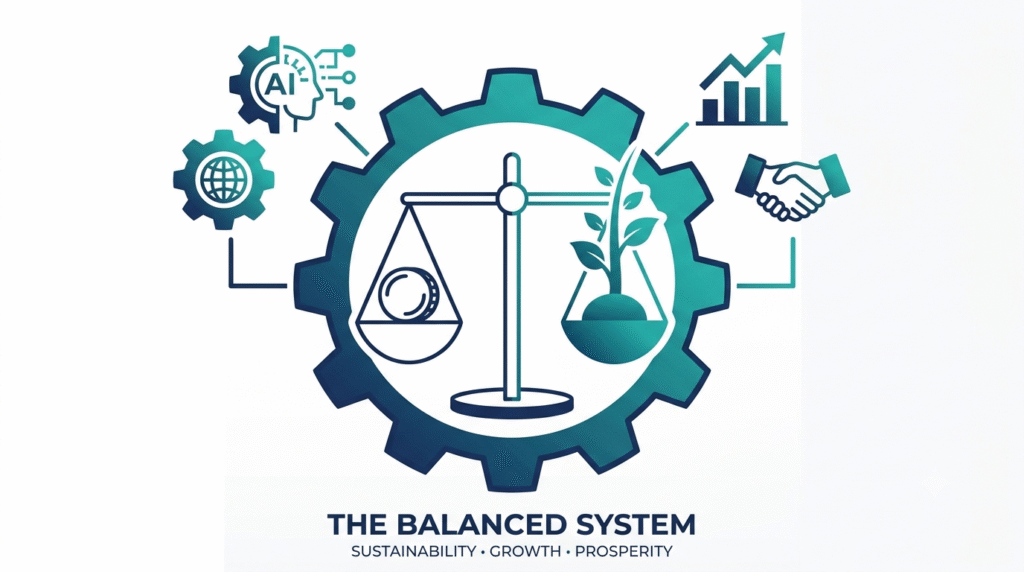
| Image Title | Google Ads vs SEO Comparison Illustration |
| Placement | Directly under this H2 |
| AI Prompt | Flat vector illustration of a simple scale/balance with a coin icon on one side and a growing plant icon on the other, teal and navy palette, clean minimal style, no text, no logos. |
| ALT Text | Illustration of a balance scale comparing Google Ads and SEO investment |
| Caption | Neither option is universally better — the right balance depends on your specific timeline and budget. |
| Factor | Google Ads | SEO |
| Speed to First Results | Hours to days | 3-6 months typically |
| Cost Structure | Ongoing, per-click, stops when spend stops | Ongoing project/retainer cost, but traffic persists after ranking is achieved |
| Long-Term Value | Resets to zero without continued spend | Compounds — rankings and content remain an asset |
| Best For | Launches, promotions, testing new offers, filling pipeline gaps | Sustainable, long-term organic visibility and lower cost-per-lead over time |
| Control Over Targeting | Precise, immediate keyword and audience control | Influenced by content and technical strategy, less immediately adjustable |
| Risk If Poorly Managed | Wasted ad spend with no lasting asset | Wasted time/content investment, but existing content retains some value |
A Simple Framework for Deciding Which to Invest In First
- If you need revenue within the next 30-60 days (a launch, a slow season, cash flow pressure), start with Google Ads
- If you’re building a business for the next 3+ years and can tolerate a slower ramp-up, prioritize SEO
- If your budget is very limited (under roughly PKR 30,000/month total), a tightly focused Google Ads test or a narrow local SEO push both work — spreading a small budget across both usually underfunds each
- If you have a reasonable budget and a 6-12 month horizon, run both together: Google Ads for immediate pipeline while SEO builds in the background
- If your industry has very high Google Ads CPCs (legal, real estate, education), weigh SEO more heavily, since paid clicks get expensive fast in these categories
A Simple Hybrid Budget Split, If You Can Afford Both
For businesses with enough budget to run both channels, a common, sensible starting split is roughly 60-70% toward Google Ads and 30-40% toward SEO in the first few months — since SEO won’t produce meaningful traffic yet and shouldn’t be starved of the modest, consistent investment it needs to get moving. As SEO rankings mature (typically after month 4-6), many businesses gradually shift that ratio, since organic traffic starts contributing a growing share of leads at a lower ongoing cost. This isn’t a rigid formula — it’s a reasonable starting point to adjust based on your own data as it comes in.
Business Examples: How This Decision Plays Out in Practice
| Image Title | Business Decision Examples Illustration |
| Placement | Directly under this H2 |
| AI Prompt | Flat vector illustration of three small distinct business icons — a storefront, an office building, and a house — each with a small path leading to either a coin or a plant icon, teal and navy palette, minimal style, no text, no logos. |
| ALT Text | Illustration of three business types choosing between paid ads and SEO paths |
| Caption | The right first investment depends heavily on what kind of business you actually run. |
Example: A New E-Commerce Store
A newly launched online store with no existing traffic or reviews would typically start with Google Ads (or Meta Ads) to generate initial sales and reviews quickly, while beginning SEO work in parallel so organic traffic starts contributing within a few months rather than starting from zero later.
Example: An Established Local Service Business
A construction or real estate business already getting some referral traffic, with a 12+ month growth horizon, would typically prioritize SEO and local SEO first, since the compounding organic traffic eventually costs less per lead than sustaining ad spend in often-expensive categories like real estate.
Example: A Seasonal or Promotion-Driven Business
A business running a specific, time-limited promotion or seasonal push would typically lean on Google Ads for that specific window, since SEO’s multi-month timeline doesn’t match a short, urgent sales window.
Common Mistakes Businesses Make With This Decision
- Choosing Google Ads and expecting the traffic to persist after turning off the budget
- Choosing SEO for a business that genuinely needed revenue within 30 days, then abandoning it before it had time to work
- Splitting a very small budget evenly across both, underfunding each to the point neither performs well
- Running Google Ads to a generic homepage instead of a landing page matching the specific ad’s promise
- Assuming Quality Score doesn’t matter and bidding aggressively instead of improving ad relevance and landing page quality first
Expert Tips
- Track cost-per-lead, not just cost-per-click — a cheap click that never converts is more expensive than an expensive click that does
- Use Google Ads data (which keywords actually convert) to inform your SEO content priorities — the two channels can genuinely inform each other
- Improve your Quality Score before increasing your budget — a well-optimized campaign often gets more results from the same spend
- Set a specific, honest re-evaluation date (e.g., 90 days) for whichever channel you start with, rather than deciding based on impatience or gut feeling
A Getting-Started Checklist for Google Ads in Pakistan
- Define a specific, measurable goal (leads, sales, calls) before setting a budget
- Research realistic CPC for your specific industry, not just a generic cross-industry average
- Build (or fix) a landing page that matches your ad’s specific promise — don’t send paid traffic to a generic homepage
- Set a daily budget that allows at least 5-10 clicks per day, so you collect meaningful data quickly
- Install conversion tracking before launching, not after — without it, you’re optimizing blind
- Review performance weekly for the first month, then adjust bids, keywords, and ad copy based on real data
How Pentox Studio Approaches This Decision With Clients
Rather than defaulting to one channel, Pentox Studio typically starts with a short conversation about timeline and budget before recommending anything — a business needing revenue in 30 days gets a different starting recommendation than one planning a 2-year growth strategy. For clients with the budget to run both, Google Ads and SEO are treated as complementary rather than competing investments, with paid search data often directly informing SEO content priorities.
Frequently Asked Questions
1. Is Google Ads or SEO better for a small business in Pakistan?
Neither is universally better — Google Ads suits businesses needing fast results and immediate cash flow, while SEO suits businesses with a longer time horizon and a goal of lower cost-per-lead over time. Many established businesses eventually use both together once budget allows.
2. How much does Google Ads cost per click in Pakistan?
Typically PKR 20 to PKR 250 or more depending on industry and competition, with legal, real estate, and education among the higher-cost categories, and e-commerce and general consumer categories typically sitting at the lower end.
3. Can I run Google Ads and SEO at the same time?
Yes, and for businesses with adequate budget, this is often the strongest approach — Ads for immediate traffic while SEO builds in the background, with each channel’s data often informing the other’s strategy.
4. How long does SEO take compared to Google Ads?
Google Ads can produce traffic within hours; SEO typically takes 3-6 months for early movement and longer for full results.
5. What happens to my traffic if I stop paying for Google Ads?
It stops almost immediately — Google Ads traffic exists only while you’re actively paying for it, unlike SEO rankings, which persist after active work slows down.
6. What’s a realistic monthly Google Ads budget for a small business in Pakistan?
Most small businesses in Pakistan currently budget roughly PKR 30,000 to PKR 300,000 per month, depending on city, industry, and competitiveness.
7. Why do some industries have much higher Google Ads costs?
Higher-value industries like legal services and real estate have advertisers willing to pay more per click, since a single converted customer is worth significantly more to them.
8. Should a brand-new business start with Google Ads or SEO?
Often Google Ads first, to generate initial traffic, sales, and reviews quickly, while starting SEO work in parallel so organic traffic isn’t starting from zero months later.
9. What is Quality Score and why does it matter for Google Ads cost?
It’s Google’s relevance rating for your ads and landing pages; a higher Quality Score can meaningfully lower your cost per click compared to a less relevant, lower-scoring campaign.
10. Is SEO cheaper than Google Ads in the long run?
Often yes, once rankings are established, since organic traffic doesn’t carry a per-click cost — but SEO requires sustained investment over months before reaching that point.
11. What industries should prioritize SEO over Google Ads?
Industries with high Google Ads CPCs and longer sales cycles — like real estate, legal services, and B2B service businesses — often benefit more from SEO’s compounding, lower-cost-per-lead nature.
12. Can Google Ads data help my SEO strategy?
Yes — which keywords actually convert in Google Ads is valuable, real data for prioritizing which topics and keywords your SEO content should target.
13. How do I know if my Google Ads budget is too low?
If your daily budget doesn’t allow at least 5-10 clicks per day, you likely aren’t collecting enough data to optimize the campaign effectively.
14. What’s the biggest mistake businesses make choosing between these two?
Splitting a very limited budget evenly across both, underfunding each to the point where neither produces meaningful results.
15. Does a bigger Google Ads budget always win?
No — a well-optimized campaign with strong Quality Score and a good landing page regularly outperforms a larger, poorly managed budget.
16. How much does SEO cost compared to Google Ads in Pakistan?
SEO retainers typically range from roughly PKR 25,000 to PKR 150,000+ monthly, a different cost structure than Google Ads’ per-click model — see Pentox Studio’s dedicated SEO cost guide for full detail.
17. Should seasonal businesses use Google Ads or SEO?
Google Ads generally fits seasonal or time-limited promotions better, since SEO’s multi-month timeline doesn’t match a short sales window.
18. What should my landing page look like for Google Ads specifically?
It should match the ad’s specific promise directly — sending paid traffic to a generic homepage instead of a matching landing page is one of the most common, costly mistakes.
19. How soon should I re-evaluate which channel is working?
Set a specific timeframe (commonly 90 days) in advance, and evaluate based on real conversion data rather than switching prematurely out of impatience.
20. Can Pentox Studio manage both Google Ads and SEO together?
Yes — Pentox Studio treats the two as complementary parts of one strategy where useful, rather than defaulting to a single channel regardless of a business’s specific timeline and budget.
Conclusion: There’s No Universal Right Answer — Only the Right Answer for Your Business
Google Ads and SEO solve genuinely different problems: one buys immediate visibility, the other builds a compounding asset over months. The right first investment depends on your specific timeline, budget, and industry — not a generic rule that applies to every business equally.
If you need revenue in the next month, Google Ads is usually the better starting point. If you’re building for the next several years and can tolerate a slower ramp-up, SEO usually wins on long-term cost-per-lead. And if your budget allows it, running both together — with each informing the other — is often the strongest approach of all.
Not sure which makes sense for your specific business? Request a free consultation, a free SEO audit, or a WhatsApp conversation with Pentox Studio — we’ll walk through your timeline and budget honestly before recommending either channel.